
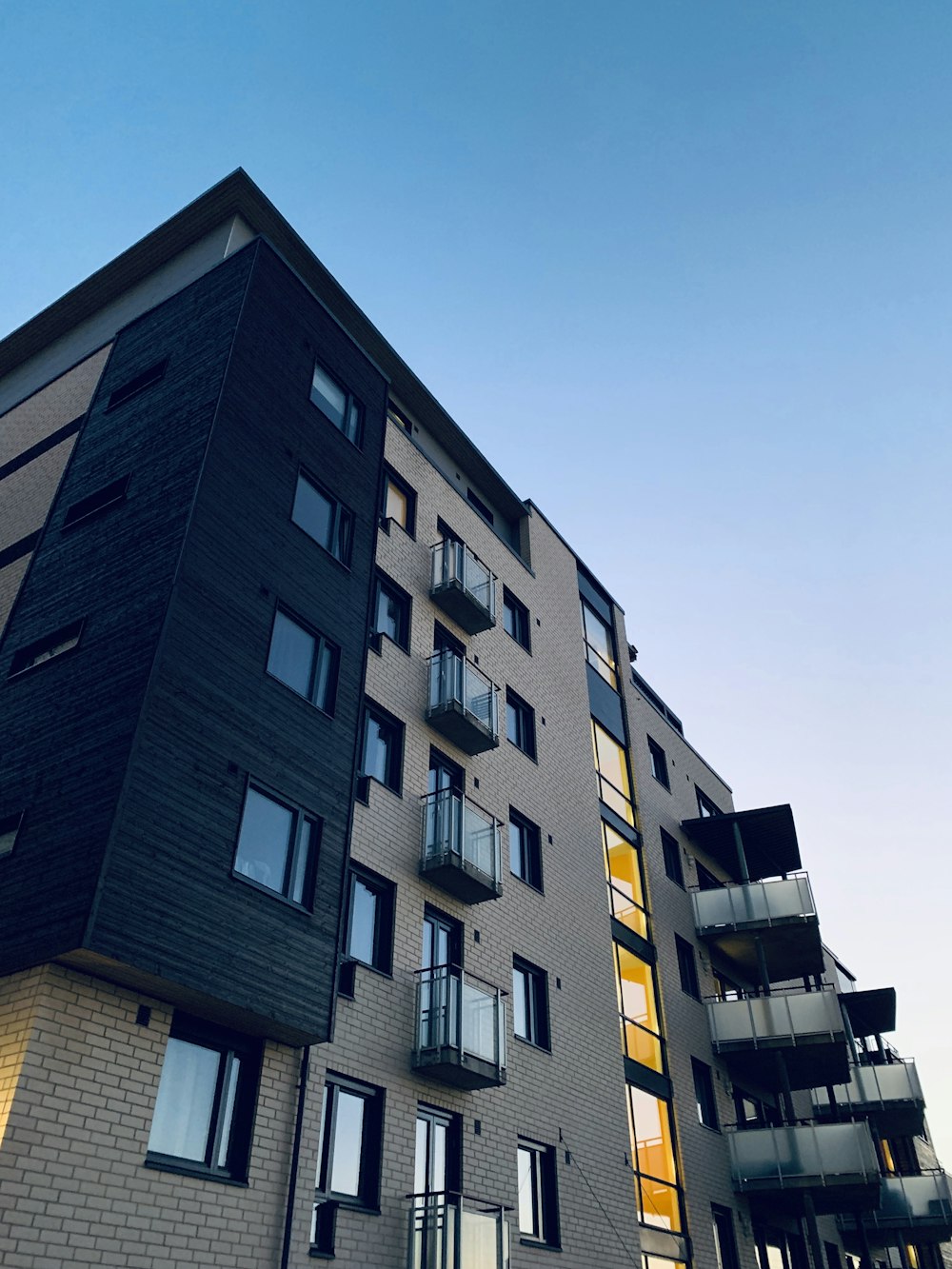
#1. What "Luxury" Should Actually Mean When You're Buying Remotely
Every listing calls itself luxury; very few developments actually justify the label with anything you can independently verify. For an NRI buyer who can't walk the site every month, the useful definition isn't the marketing brochure's adjectives — it's a specific, checkable list of construction methods, security systems, and amenity infrastructure that either exists on the sanctioned plan or doesn't.
Genuine luxury developments in Tamil Nadu's top corridors have converged on a fairly consistent set of benchmarks over the past several years: monolithic construction technology, tiered security systems, resort-style common amenities, and Vaastu-compliant layout planning. Knowing these benchmarks lets you ask specific questions of a developer or agent instead of relying on how good the renderings look.
#2. Construction Quality Standards That Actually Matter
The construction method used is the single most consequential — and least visible from photos — quality signal in a premium project. Aluminum formwork (commonly referred to as Mivan-style construction) pours walls and slabs as a single monolithic structure, eliminating the brick-and-block joints of conventional construction, which improves both seismic performance and acoustic/thermal insulation between units — genuinely useful in India's climate and increasingly relevant given seismic zone reclassification in parts of Tamil Nadu.
Beyond the structural method, ask specifically about fitting brands and specifications rather than accepting "premium fittings" as a description — sanitaryware and CP fittings brand, flooring material (Italian marble versus marble-finish vitrified tile are priced very differently but can look similar in photos), and whether kitchen and wardrobe fit-outs are included in the quoted price or sold as a separate customization package. These specifics, not the word "luxury" itself, are what actually determine whether the price is justified.
#3. Smart Home & Multi-Tier Security Systems
Smart home integration in premium Tamil Nadu developments typically centers on mobile-app-controlled lighting and climate, digital keyless entry locks at the unit door, and increasingly, solar-ready EV charging points in the parking allocation — worth confirming whether EV charging is pre-wired or an add-on, since retrofitting later is considerably more disruptive.
Security is usually structured in layers rather than a single measure: RFID or number-plate-recognition vehicle entry barriers at the gate, round-the-clock manned security at both the main gate and internal checkpoints, CCTV coverage of common areas and entry points (ask specifically how long footage is retained), and perimeter fencing with intrusion sensors for larger gated layouts. For an NRI owner who may leave a unit vacant for extended stretches, the vehicle entry log and CCTV retention period matter more in practice than they might for a resident owner — ask about both explicitly.
#4. Vaastu Shastra Compliance in Premium Developments
Most premium villa and independent-house developments in Tamil Nadu are designed with Vaastu Shastra principles as a baseline expectation from buyers, not an optional upgrade — East or North-facing main entrances, the master bedroom oriented Southwest, and the kitchen placed Southeast are the most consistently followed conventions.
Apartment developments have more physical constraints (a fixed building footprint serving many units means not every unit can satisfy every Vaastu preference), so ask specifically which Vaastu elements a given unit satisfies rather than assuming a general "Vaastu-compliant" claim about the project applies uniformly to every floor and unit within it.
#5. Top Luxury Locations in Tamil Nadu for NRIs
In Coimbatore, Avinashi Road, Race Course, Peelamedu, and the Vadavalli foothills carry the city's concentration of ultra-luxury independent villas and premium high-rise developments, benefiting from established social infrastructure (international schools, multi-specialty hospitals) alongside genuine green surroundings near the foothills.
In Chennai, East Coast Road (ECR) is the address for sea-facing luxury villas; Boat Club and Poes Garden remain the city's most established ultra-luxury residential addresses; and OMR has become the center of gravity for high-tech gated apartment communities aimed at NRI and senior-executive buyers working in the IT corridor. Each of these micro-markets serves a genuinely different buyer profile — a sea-facing ECR villa and an OMR apartment community aren't really competing for the same buyer, so match the location to your actual use case (retirement home, rental investment, or family base) rather than location prestige alone.
#6. Maintenance Costs & Ongoing Ownership at the Luxury Tier
Premium amenities carry a proportionally higher maintenance bill, and this is one of the most underestimated costs for NRI buyers evaluating a project from photos and a brochure. Monthly maintenance for luxury apartment and villa communities with full clubhouse amenities (temperature-controlled pools, gyms, dedicated concierge or facility staff) typically runs meaningfully higher per square foot than a standard gated community — ask for the actual current monthly maintenance figure being charged to existing owners, not a projected launch-phase estimate, since maintenance costs tend to rise as buildings age and utility costs increase.
Also ask specifically about the corpus/sinking fund contribution required at handover, and whether the developer or a professional facility management company will run the association in the initial years — a professionally managed transition tends to protect amenity quality (and therefore resale value) far better than a self-managed owners' association still finding its footing in the first few years after handover.
#7. Resale Value & What Actually Holds Up Over Time
Not every element of a luxury development ages equally well. Location and land value hold up reliably — this is the single most durable driver of long-term resale value, which is why villa plots (where you own the land outright) tend to retain and grow value more predictably than high-rise units in the same micro-market over a 15-20 year horizon.
Amenity quality, by contrast, depends heavily on ongoing maintenance discipline — a project with excellent original specifications but a poorly managed owners' association can visibly deteriorate within 5-7 years, directly affecting resale price regardless of how well it was built. Before buying into any luxury project, it's worth asking to see an older, already-completed project by the same developer or management group, rather than judging quality purely from the new project's own brochure and show-flat.
Frequently Asked Questions (FAQ)
Q: Why do NRIs prefer gated villa communities over standalone houses in India?
A: Gated villa communities combine independent land and structure ownership with professional facility management, tiered security, and clubhouse amenities — a combination that's especially valuable for an owner who can't personally oversee day-to-day upkeep from abroad.
Q: Are luxury villas in Tamil Nadu built in compliance with Vaastu Shastra?
A: Most premium independent villa developments follow core Vaastu conventions (East/North-facing entrances, Southwest master bedrooms, Southeast kitchens) as a baseline expectation. Apartment units have more physical constraints, so it's worth confirming exactly which Vaastu elements a specific unit satisfies rather than assuming the project-wide claim applies uniformly.
Q: What construction technology should I look for in a premium Tamil Nadu development?
A: Aluminum/Mivan-style monolithic formwork is the current benchmark for premium construction, offering better seismic performance and acoustic/thermal insulation than conventional brick-and-block construction. Ask the developer directly which method is used rather than assuming from marketing language alone.
Q: How much higher is maintenance for a luxury apartment or villa community compared to a standard project?
A: It varies by project, but full-amenity luxury communities (pools, gyms, dedicated staff) typically carry a meaningfully higher per-square-foot maintenance charge than standard gated developments. Always ask for the current figure being billed to existing owners, not a launch-phase projection.
Q: Does a luxury apartment appreciate as reliably as a luxury villa in the same area?
A: Generally, villas hold value more predictably over long horizons since the owner holds the underlying land outright, while apartment appreciation depends more on the building's ongoing maintenance quality and the strength of its owners' association, alongside general location appreciation.