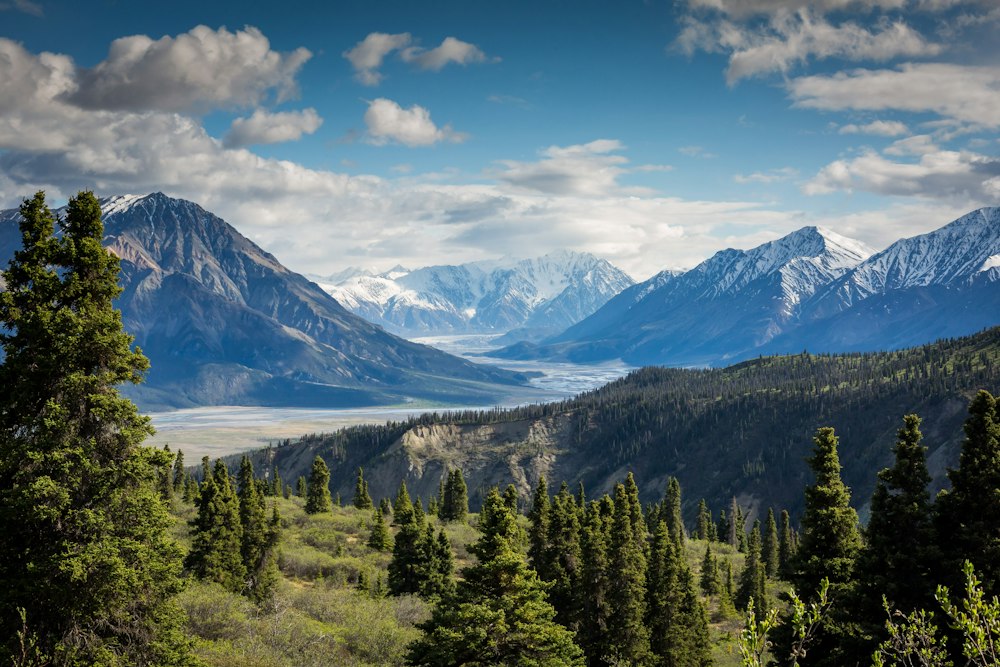
#Where the West Turns Rural
Thondamuthur anchors the belt where Coimbatore's western expansion softens into valley countryside: coconut farms, village settlements, and the Siruvani road running toward the hills that supply the city's celebrated water. This is not a corridor waiting for offices — it is a landscape buyers choose deliberately, for space, air, and distance from urban density.
The belt's buyers are specific: farmhouse builders wanting weekend or full-time country living within city reach, agricultural investors in one of the district's better-watered belts, and lifestyle purchasers banking land where the west's green edge will always be scarce. Corridor logic — employment nodes, junction premiums — simply doesn't apply here; landscape logic does.
City access remains workable: Vadavalli and the western urban edge sit 15–25 minutes east, the core 35–45 minutes. That reach makes the belt viable for hybrid patterns — country living with city work — that fully remote locations can't support.
#Land Markets & Pricing in the Valley Belt
The belt trades in three markets. Village-core plots around Thondamuthur town and the larger settlements price lowest and serve local families. Farm parcels — coconut, mixed cultivation — trade per acre with water infrastructure priced in, serving both cultivation and farmhouse conversion. And scenic parcels toward the Siruvani foothills carry the view-and-setting premium that lifestyle demand has steadily widened.
Against the city: everything here prices below the western urban tiers — the belt's draw is how much land the same budget commands. A villa-plot budget in Vadavalli buys acreage here; the trade is urban convenience for space and setting.
Appreciation follows scarcity logic rather than corridor logic: the west's green edge is finite, hill-adjacent land is regulation-capped, and lifestyle demand compounds with every remote-work cycle. The belt rewards long holds of well-chosen, well-verified parcels — the farmhouse-resort model shows where organised versions of this demand have already gone.
#Living, Farming & Building Here
Daily practicality is village-tier: local schools, primary care, and market days in the settlement cores, with the western urban edge supplying depth. Households here run on cars, planning, and the deliberate trade of convenience for setting. Fibre reach has improved along the main roads — verify per-site for remote-work dependence.
Water is the belt's signature: Siruvani-side groundwater and the valley's agricultural wells are the district's benchmark, though foothill-gradient variation is real — per-site verification remains the rule, per our groundwater guide.
Building in the belt spans village-plot homes through farmhouse estates. Farm parcels carry cultivation expectations and farmhouse-construction rules — extent limits, setback and usage conditions — that determine what a given parcel legally supports. Our farm land service covers the managed alternatives for buyers wanting the outcome without the operations.
#Valley-Belt Diligence
Agricultural title dominates: Nanjai/Punjai classification, ayacut and channel rights in the irrigated zones, Adangal cultivation records, and well ownership all need verification alongside the standard chain — the Patta Chitta guide covers the revenue-record layer, the 30-point checklist the sequence.
The hill side adds regulatory layers: parcels toward the Siruvani foothills meet reserved-forest boundaries, hill-area development rules, and water-catchment protections. Buildability on scenic parcels is a verification question, never an assumption — the belt's most expensive mistakes are scenic parcels that turned out unbuildable.
Conversion questions apply to any residential intent on farm parcels: the change-of-land-use process, covered in our conversion guide, determines whether and how farm land becomes house land. Our verification service runs the full valley-belt audit including catchment and boundary layers.
Key Verification Checklist
- Nanjai/Punjai classification and ayacut rights verified
- Adangal cultivation records and well ownership confirmed
- Reserved-forest and catchment boundaries checked for hill-side parcels
- Farmhouse-construction rules confirmed for the specific parcel
- Conversion pathway verified for residential intent
- Fibre and access practicality checked per-site
#Fit & Verified Valley Inventory
The belt fits deliberate buyers: farmhouse and country-living builders, agricultural investors, and green-edge land bankers with long horizons. It does not fit corridor-return seekers or convenience-first households — the belt's value is precisely what corridors lack.
Urban-western alternatives run through Veerakeralam and Vadavalli; the belt's own deeper reaches continue through Narasipuram and Alandurai toward the hills.
OM Muruga Real Estate lists verified valley-belt parcels — classification-checked, boundary-verified, conversion-assessed. Call or WhatsApp +91 80564 73519 to discuss country positions within city reach.
Frequently Asked Questions (FAQ)
Q: Can I build a farmhouse on Thondamuthur farm land?
A: On qualifying parcels, yes — within farmhouse-construction rules covering extent limits, setbacks, and usage conditions tied to agricultural classification. The specific parcel's entitlements need verification before purchase; they vary meaningfully.
Q: How much land does a city-villa budget buy in this belt?
A: Typically acreage: the belt prices below the western urban tiers precisely because it trades convenience for space. A Vadavalli villa-plot budget commonly translates to a farm parcel with room for orchard, garden, and farmhouse.
Q: What is the biggest risk with scenic parcels near the hills?
A: Unbuildability: reserved-forest boundaries, hill-area rules, and catchment protections cap development on some of the belt's most beautiful land. Scenic and buildable are separate questions — verify the second before paying for the first.
Q: Is the water really that good in the Thondamuthur belt?
A: The Siruvani-side belt is the district's benchmark for groundwater, supporting its agriculture and its reputation. Foothill-gradient variation is real though — per-site well verification remains standard practice.
Q: Does the belt suit full-time living or only weekends?
A: Both patterns work, differently: the western urban edge 15–25 minutes east makes hybrid city-work-country-living viable, while village-tier daily amenities mean full-time households must embrace planning-based living. Weekend use asks less of the location.
Q: How far is Thondamuthur from Coimbatore city and is the commute practical?
A: The western urban edge sits 15-25 minutes east and the city core 35-45 minutes — practical for hybrid patterns where someone works in the city a few days a week, and for households anchored to the west side. Daily cross-city commutes to the eastern corridors are the pattern this belt genuinely doesn't suit.