
Pollachi isn't a Coimbatore suburb
The first thing to understand about Pollachi is that it isn't waiting for Coimbatore to reach it. About 40 km south of the city, it has one of Tamil Nadu's most self-sufficient town economies: the coconut and copra trade, a big agricultural market, jaggery, and a growing role as the gateway to Valparai, Topslip and the Anamalai hills. Its land market has its own demand, its own price cycles and its own buyers.
That independence is the appeal. Town plots suit families who want to build in a working town, with schools, hospitals, markets and a railway station already there. Farm land suits buyers who want income from one of the state's most productive coconut belts. And the tourism belt adds a third market: farmstays, resorts and weekend homes along the hill roads.
Coimbatore's growth south adds a fourth, slower influence: as the Pollachi road builds up through Malumichampatti and Othakkalmandapam, the distance feels shorter, and buyers who don't mind the commute, along with logistics firms, start comparing Pollachi with the city's southern edge.
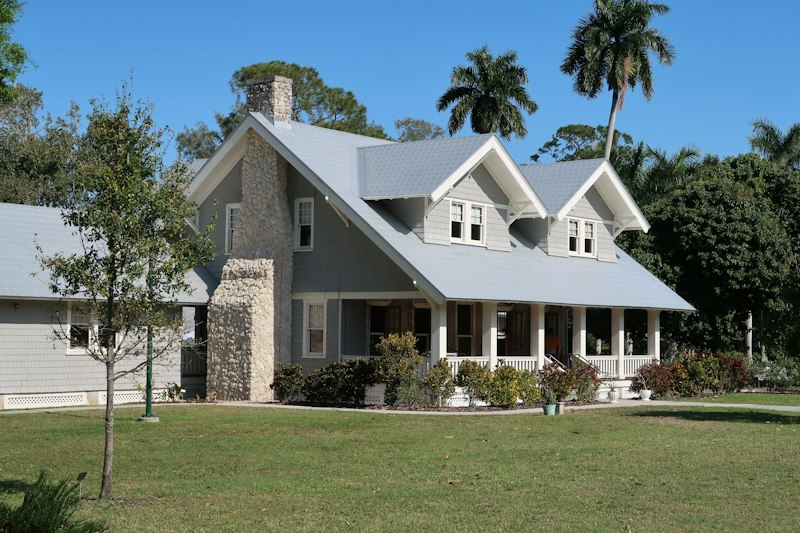
Town plots: prices and where to look
In town, the established areas around the market, the court and the colleges cost the most: mature streets, municipal services and plenty of resale buyers. Newer approved layouts on the edges of town, especially towards the Coimbatore and Palakkad roads, are mid-priced. The cheapest plots are on the fringes, where layouts meet farmland.
Overall, town plots cost well below Coimbatore's established suburbs for similar quality, because of the distance from the city. But the town's prices have risen steadily on the back of trade and tourism, with the roads towards the hills doing best recently.
There are buyers when you sell, but they're local: most likely a Pollachi trading family, someone returning from abroad, or a tourism investor, rather than a speculator from the city. Price and build with that in mind: a well-built house in an established area resells well, while an expensive house on the far edge takes longer to sell.
The coconut belt: buying farm land
The farmland around Pollachi is among Tamil Nadu's most productive, with deep soils, groundwater that has historically been reliable thanks to the Anamalai foothills, and a working coconut trade for buying, processing and selling the crop. Farm land here earns real income, not just a hope of higher prices: a well-managed coconut grove produces income all year.
Buying farm land needs its own checks: water rights and who owns the wells, the number and age of the trees (a mature coconut tree's value can be worked out), any tenancy or labour arrangements, and the Adangal cultivation record. Prices are quoted per acre with the trees included, so two neighbouring farms can differ a lot in price because of the age of their trees alone. Our agricultural land service explains how we assess them.
Near the town limits, converting farm land to residential use follows the usual change-of-land-use process, covered in our conversion guide. If you want farm income without running the farm yourself, managed farmland around Pollachi offers plots that are looked after and farmed for you.
The tourism belt: the Valparai road and beyond
Pollachi's third market follows the hill roads towards Valparai, Topslip, Parambikulam and the area around the Anamalai Tiger Reserve. Growing tourism has created demand for farmstays, small resorts and weekend homes along these roads, and prices on the scenic stretches now have little to do with farm values.
This market needs local knowledge: which stretches allow tourism buildings, where the tiger reserve's buffer and the hill-area rules apply, and what clearances a guesthouse or resort needs. The restrictions are real, and buffer-zone and height rules can make a scenic plot impossible to build on, so check before you buy. Our resort land service specialises in these checks.
For investors, this is a long-term market: patient buyers taking checked, buildable plots ahead of further tourism growth. Because so much of the Anamalai area is protected, buildable land is limited, which supports the long-term case for plots that pass the checks.
Checks for all three markets
Town plots need the usual checks: a 30-year title trace, the EC, the Patta and the layout approvals, in the order set out in our land buying checklist. Farm land adds water rights, tenancy and cultivation records. Tourism land adds zoning, buffer and clearance checks. Each market has its own pitfalls, and none forgives a skipped check.
One caution for the whole of Pollachi: the town's prosperity has attracted layout promoters of every kind. Approved layouts with genuine DTCP numbers sit alongside ones marketed as 'panchayat approved', which means much less. Check the approval number at the source, as our DTCP guide explains.
We work in all three Pollachi markets: town plots, coconut farms that earn income, and tourism plots checked for clearances. Call or WhatsApp +91 80564 73519 to talk through which suits you, and to see the documents we've checked before you commit.
What to check
- Town: the DTCP or municipal approval number checked, plus the usual title checks
- Farm: water rights, well ownership, the trees, any tenancy, and the Adangal
- Tourism: buffer-zone, height and clearance checks before you buy
- All: a 30-year title trace, a fresh EC, and the Patta in the seller's name
- The promoter's record, for any layout purchase
Common questions
Is Pollachi a good place to buy property?
Yes, on its own merits: a self-sufficient trading town, established facilities, productive farmland around it, and a growing tourism belt. It suits people who want to live there, earn farm income or invest in tourism, more than people commuting to Coimbatore.
How much does farm land cost near Pollachi?
Coconut farms are priced per acre with the trees included, so mature, well-watered land costs much more than young or dry land. Neighbouring farms can differ a lot because of the trees and the wells alone, so compare like with like.
Can I build a resort or farmstay near Pollachi?
On the right plot, yes: tourism demand along the Valparai and Topslip roads is real. But tiger-reserve buffer, hill-area and clearance rules restrict some scenic stretches, so check the plot can be built on before you buy, not after.
Is Pollachi part of Coimbatore's growth?
Indirectly. Pollachi's economy stands on its own, but as Coimbatore spreads down the Pollachi road, the gap feels smaller, and more buyers compare Pollachi with the city's southern edge.
What's the biggest legal risk when buying land in Pollachi?
It depends on the market: weak approvals in town layouts, unchecked water rights and tenancy on farms, and buffer-zone rules on tourism land. Each needs its own checks, and a professional verification can cover all three.