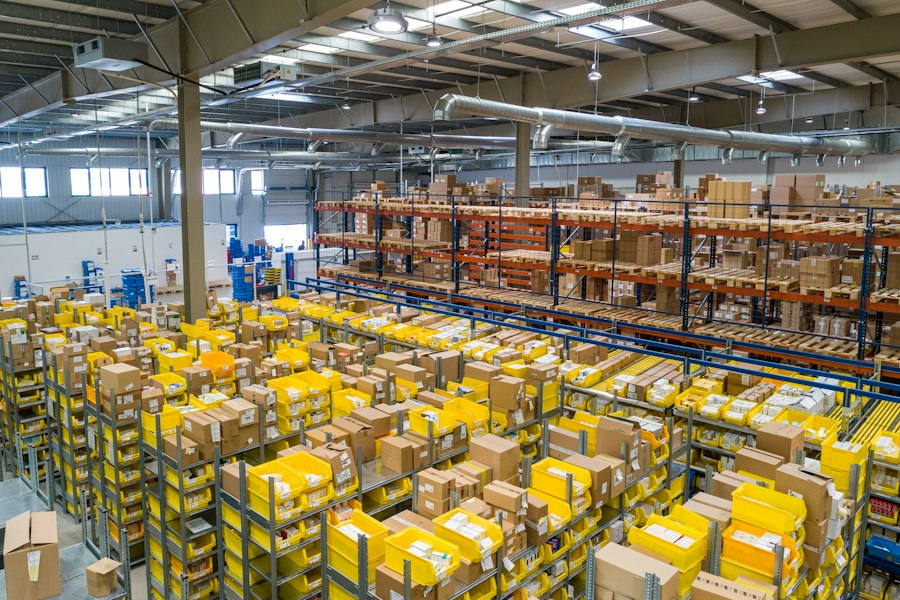
Tirupur's processing corridor
Palladam Road runs from Tirupur towards Palladam and on to Coimbatore, with a large concentration of SIPCOT-linked industry: the textile processing, dyeing and related manufacturing behind Tirupur's export economy. Unlike the more commercial Avinashi Road, it's mainly an industrial belt.
Dyeing and processing units need much more environmental infrastructure than simple stitching or assembly units, so environmental compliance and effluent treatment are the big questions for any industrial land here.
Getting around and infrastructure
The road connects Tirupur's textile base with Coimbatore, for moving raw materials and finished goods, and on to Coimbatore airport for exports.
SIPCOT sections generally have better internal infrastructure, including common effluent treatment plants in some parks, than private industrial land nearby. If you're setting up a dyeing or processing unit, confirm the treatment plant capacity available to you before signing anything. Facilities in the nearby residential areas are modest and mainly serve the workforce.
What's for sale
Mostly industrial and processing land, both SIPCOT-allotted plots and private industrial land. Land linked to dyeing and processing may come with environmental obligations that ordinary manufacturing or warehouse land doesn't.
Suppliers of dyes, chemicals and processing equipment also have premises here, and skilled processing staff are easy to find locally. Nearby homes are modest flats and plots for people working at the units.
Legal checks
For SIPCOT land, read the allotment conditions and permitted uses carefully; dyeing and processing units may have extra requirements tied to the common treatment plant. For private industrial land, check the DTCP industrial zoning and the current pollution-board consent category and compliance for the plot and any existing unit.
Check whether the plot or an existing unit has any pending pollution-board notice or closure order. For house plots nearby, do the usual checks: DTCP approval, Patta and Chitta, and a long Encumbrance Certificate.
What to check
- Find out whether the land is SIPCOT-allotted or private.
- Check the current pollution-board consent category and compliance yourself.
- Check effluent treatment obligations for processing units.
- For house plots, confirm the DTCP approval and the Patta and Chitta.
Who buys here
Textile processing, dyeing and related manufacturers expanding in Tirupur's export industry, along with equipment suppliers and service firms that want to be near their customers.
Staff at the processing units buy most of the homes nearby, including people moving to the area for work, many of whom stay for years given how many jobs are close by.
How we can help
We can help with the environmental and pollution-board checks industrial land here usually needs, alongside the standard DTCP checks, and we check the current pollution-board status before recommending any industrial plot.
We can also help families compare homes near the corridor by budget and distance to work, and walk you through the compliance steps for your planned use.
Common questions
What industry dominates Palladam Road?
Textile processing, dyeing and related manufacturing, much of it SIPCOT-linked, supporting Tirupur's export economy.
Which environmental checks matter for industrial land here?
The current pollution-board consent category and compliance for the specific plot, and the effluent treatment obligations, since dyeing and processing units face stricter requirements.
How is Palladam Road different from Avinashi Road?
Palladam Road is mainly an industrial and manufacturing belt; Avinashi Road is more commercial and mixed-use.
Who buys on Palladam Road?
Textile processing and manufacturing businesses near SIPCOT, their suppliers, and landlords building homes for the workforce.