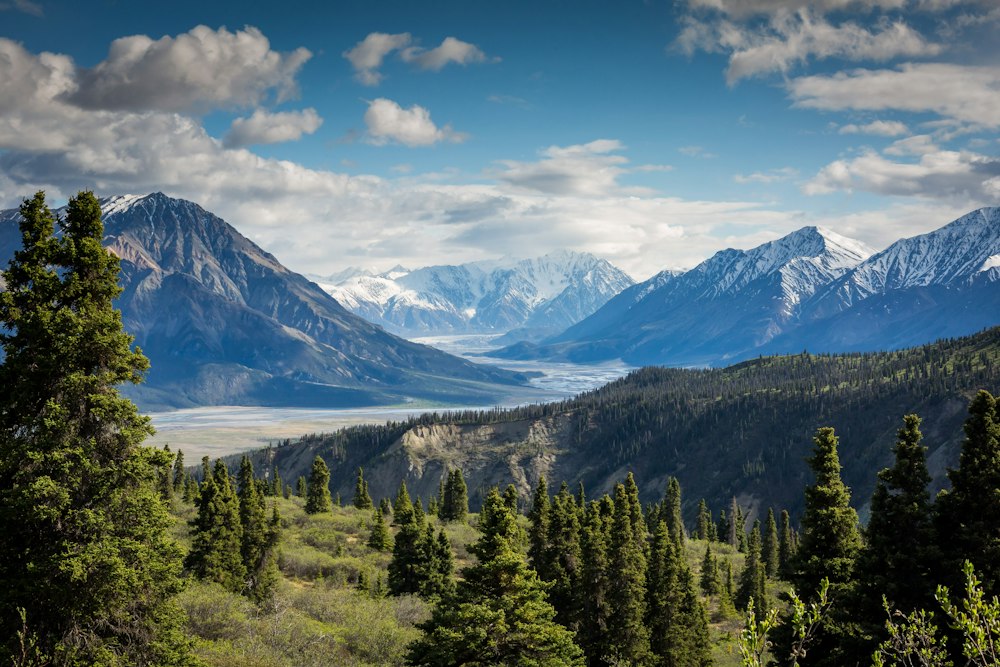
The far western edge
Alandurai is where the Siruvani road runs out into the foothills. The village sits at the base of the hills that hold the city's water supply, surrounded by valley farms, forest edges and some of the most striking land in the district. It's the furthest practical edge of the west, and the most regulated, for reasons you can see in the landscape.
The local economy is still farming, plus work linked to the Siruvani waterworks and village trade. More and more buyers come for the lifestyle: farmhouse builders, people looking for a beautiful plot, and buyers who see the distance from the city as the whole point.
Getting to the city is a real commitment: 45 to 60 minutes to the centre, 20 to 30 to the western edge of town. Most people buying here have already decided the setting is worth the distance. This guide covers the rules and practicalities behind that decision.
What's for sale, and what decides the price
There are village plots, farm land in the valley, and scenic land towards the hills. Village plots are among the cheapest in the west and are mostly bought by local families. Farm land sells by the acre, on the quality of the soil and the water; this close to the source, the wells are the most reliable in the district. Scenic land towards the hills costs more, and that premium has grown year after year.
The catch: the most beautiful land has the strictest rules, and prices vary wildly depending on what buyers assume they can build. Two plots that look the same can be completely different on paper: one buildable farm land, another restricted by the water catchment, another inside a forest buffer. Here, the land's verified classification is what really decides its value.
Prices rise because supply is fixed: the hills cap the west, the rules cap building within it, and more and more people want to live this way. Land that's been checked and is buildable is among the safest long-term holdings in the district, as the managed farmhouse projects show on a larger scale.
Living in the foothills
Daily life is village life: a local school, a clinic and basic shops, with anything more a drive east. Households here plan to be self-sufficient (a generator or solar backup, water storage, shopping trips planned ahead), which the setting both rewards and requires.
In return, you get the best the district has: Siruvani water at its source, views of the hills, forest air, and noticeably cooler weather, which makes the foothills a summer escape from the city. For people who want this, nothing in town compares.
Practically: the Siruvani road is the only main road, so check how inner access roads cope with the monsoon, and expect internet coverage to thin out beyond the village. If you'll work from home, check the connection on the actual plot.
Checks near the catchment and the forest
Rules define this area. The Siruvani catchment is protected as a water source; the forest has buffer zones around it; and hill-area rules control building on slopes and higher ground. For any scenic plot, find out exactly what's allowed: how much you can build, what you can use it for, and in protected zones even what you can plant. The expensive mistakes here are always about the rules, never the price.
The farm paperwork needs the full set of valley checks: the classification, water and channel rights, the Adangal and who owns the well, as in our Patta and Chitta guide. Near the hills, also check whether the land falls in a category that can't be sold to outsiders: some land is protected for traditional communities, and that restriction is absolute.
Our verification service checks the catchment, forest buffer, hill rules, classification and title before we list any land in Alandurai. Our land buying checklist covers the general checks underneath.
What to check
- Check whether the exact plot falls in the protected catchment.
- Check the forest buffer zones and the hill-area rules.
- Rule out land categories that can't legally be sold to you.
- Confirm the water rights, the Adangal and who owns the well.
- Check the road in the monsoon and the internet on site.
- Get what you're allowed to build in writing before agreeing a price.
Who Alandurai suits
Alandurai suits people who know exactly why they want to be here: farmhouse builders looking for the best setting in the district, farmers who want land at the water source, and long-term holders of buildable land where supply can never grow.
If you need to be closer to the city, stop at the Thondamuthur belt or Narasipuram. For living in the west with city convenience, look at Perur and Veerakeralam.
We can show you land in Alandurai that's been checked for classification and buffer zones, with what you're allowed to build written down. Call or WhatsApp +91 80564 73519.
The most important advice for this area: check the rules before you fall in love with the view. The most beautiful plots are exactly where the protections are strictest, and the saddest outcome here is paying for a view you can never build beneath.
Common questions
Why are there so many rules around Alandurai?
Because of the landscape: the Siruvani catchment supplies the city's water, the forest has protected land around it, and the slopes are covered by hill rules. The same protections that keep it beautiful limit building, which is both the drawback and the reason land here holds its value.
How do I know whether a scenic plot is buildable?
Only by checking: the catchment status, forest buffers, hill rules and the land classification each affect what you can build. Plots that look identical can be completely different on paper.
What are 'restricted' land categories?
Some land near the hills is protected for traditional communities and can't legally be sold to outsiders, however good the paperwork looks. Check the classification explicitly before you commit.
Can you live in Alandurai full time?
Yes, if you're happy to be fairly self-sufficient: village-level facilities, one main road and planned shopping, in return for the best water, air and setting in the district. The 45 to 60 minute drive to the city decides who's happy here.
Why is checked land here a good long-term hold?
Because supply can't grow: the hills limit the west, the rules limit building, and more people keep wanting to live like this. Buildable land that's been properly checked is among the safest long-term holdings in the district.
Are electricity and roads reliable?
In the village and along the Siruvani road, yes. Farm roads further in vary, especially in the monsoon. The rural grid reaches the settled area, and most estates on the edge add solar backup. Budget for both when you plan to build.